
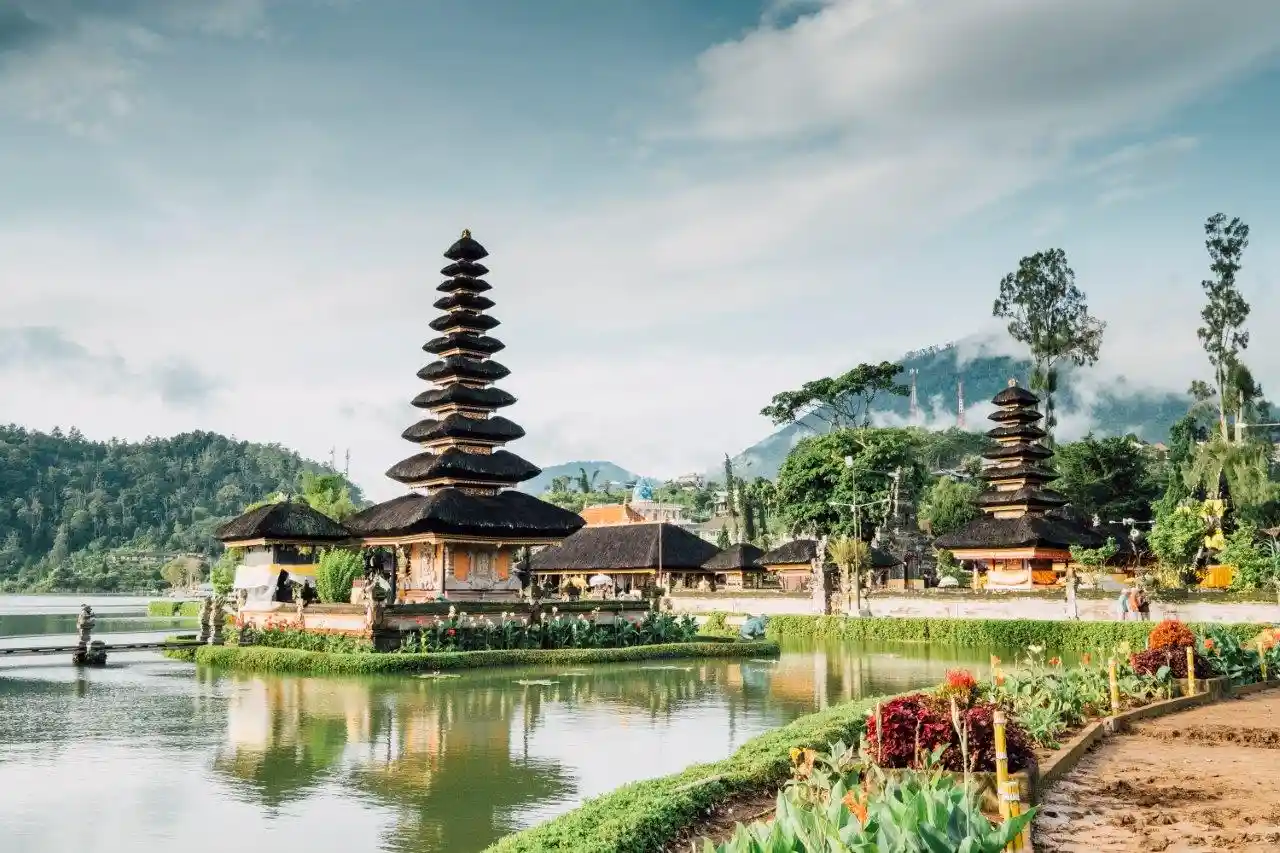
For many Indians, the idea of traveling abroad comes with mixed emotions—excitement, curiosity, and sometimes hesitation. New food, unfamiliar customs, different languages, and cultural gaps can make international travel feel intimidating. Yet, there is one destination that breaks this barrier effortlessly – Bali.
Despite having no direct flights from cities like Chennai and requiring long journeys with multiple layovers, Bali continues to be one of the most visited international destinations by Indians. This popularity isn’t accidental. It isn’t driven solely by beaches, luxury resorts, or Instagram aesthetics. What truly pulls Indians toward Bali is something deeper—a cultural and spiritual familiarity that feels unexpectedly close to home.
Bali is not just a destination. For Indians, it feels like a rediscovery of shared roots.
Hinduism Beyond India: Bali’s Living Spiritual Identity
Indonesia is widely known as the world’s largest Muslim-majority country. Yet Bali stands apart, proudly preserving its distinct Hindu identity. More than 80% of Bali’s population practices Balinese Hinduism, a unique form of Hinduism that blends Indian Hindu traditions with Buddhist philosophy and indigenous beliefs.
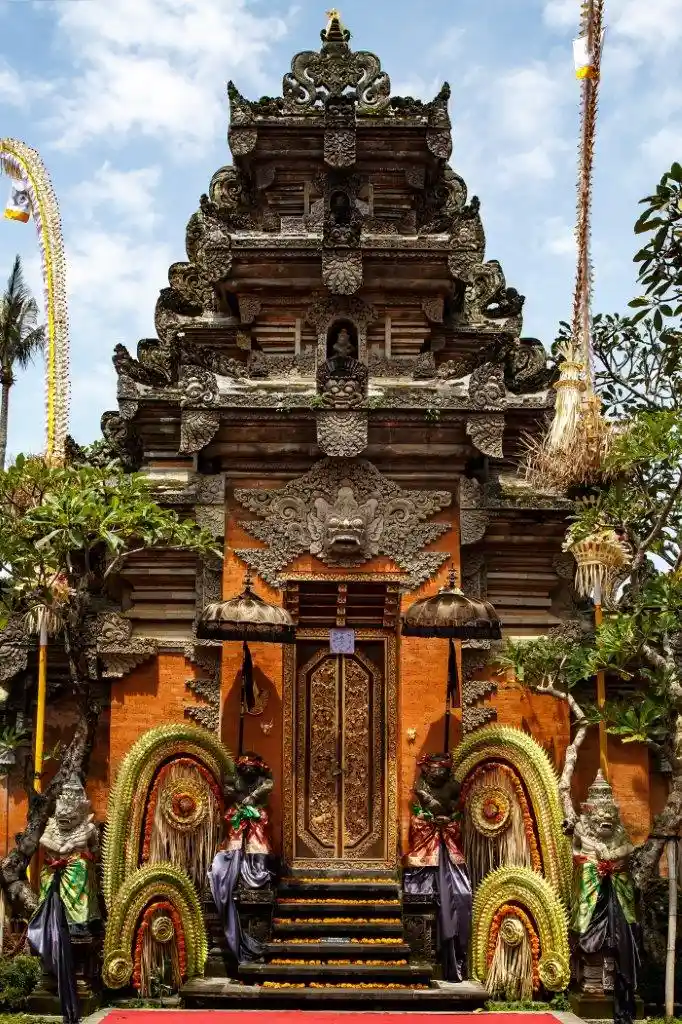
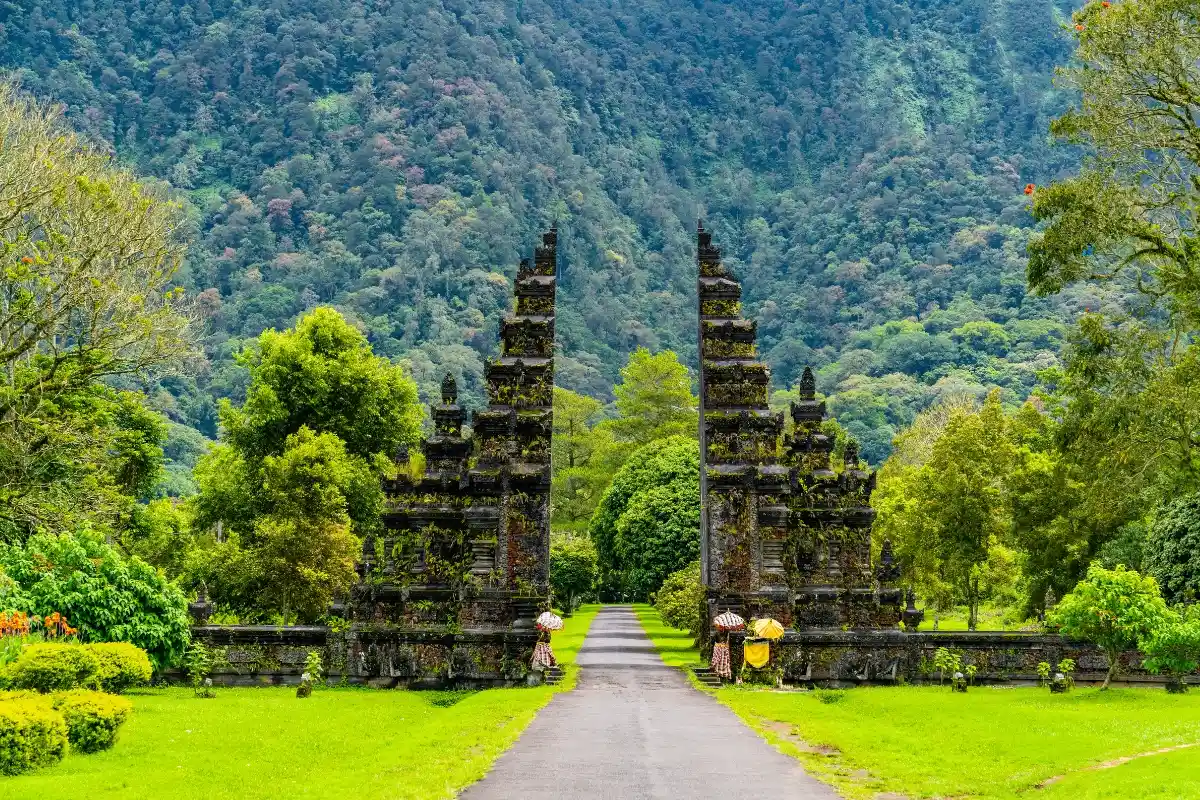
The moment you land in Denpasar, Bali’s capital, the familiarity is striking – stone-carved temple gates resembling South Indian temple entrances, statues of Hindu deities at crossroads, offerings of flowers and incense placed neatly outside homes, shops, and even hotels. The fragrance of agarbatti floats in the air. Bells ring softly from temples. It doesn’t feel foreign—it feels familiar.
This is what makes Bali extraordinary for Indian travellers. You’re in another country, yet your faith, rituals, and symbolism surround you everywhere.
In Bali, Hinduism is not limited to temples or festivals. It is woven into daily life. Every morning begins with canang sari—small offerings made of flowers, rice, and leaves, placed with gratitude and devotion. The act mirrors Indian puja traditions, reminding visitors that devotion transcends geography.
A Different Calendar, the Same Belief System
One of the most fascinating aspects of Balinese culture is its calendar system. Balinese Hindus follow the Pawukon calendar, where a year lasts 210 days instead of 365. Because of this, festivals occur more frequently, and birthdays are celebrated every 210 days.
For Indians, this concept feels both surprising and deeply relatable.
Festivals like Galungan and Kuningan, which are Bali’s equivalent of Diwali, hold immense spiritual importance. The belief is that ancestral spirits and deities descend to earth and remain among humans for ten days. During this period, the island transforms into a living celebration.
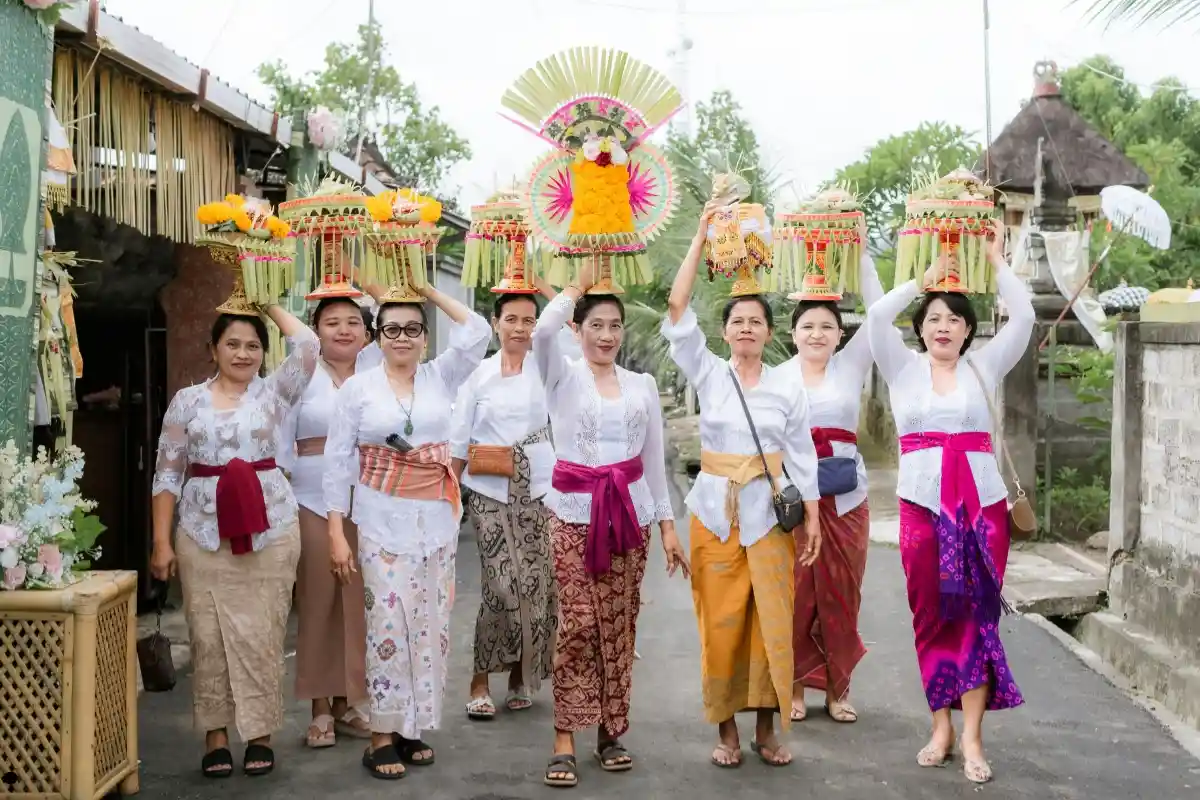
Tall bamboo poles called penjor, beautifully decorated with coconut leaves and offerings, line the streets. Homes and temples glow with decorations. People dress in traditional attire and visit temples with offerings—flowers, fruits, sweets, and cooked food—just like Indian festivals.
Interestingly, many Indian tourists miss witnessing Bali’s Diwali because they prefer celebrating at home. But celebrating Diwali in Bali is not about firecrackers or lavish feasts—it is about devotion, gratitude, and divine presence. Experiencing this festival in Bali gives Indians a fresh perspective on their own traditions.
The Ramayana in Bali: A Living Epic
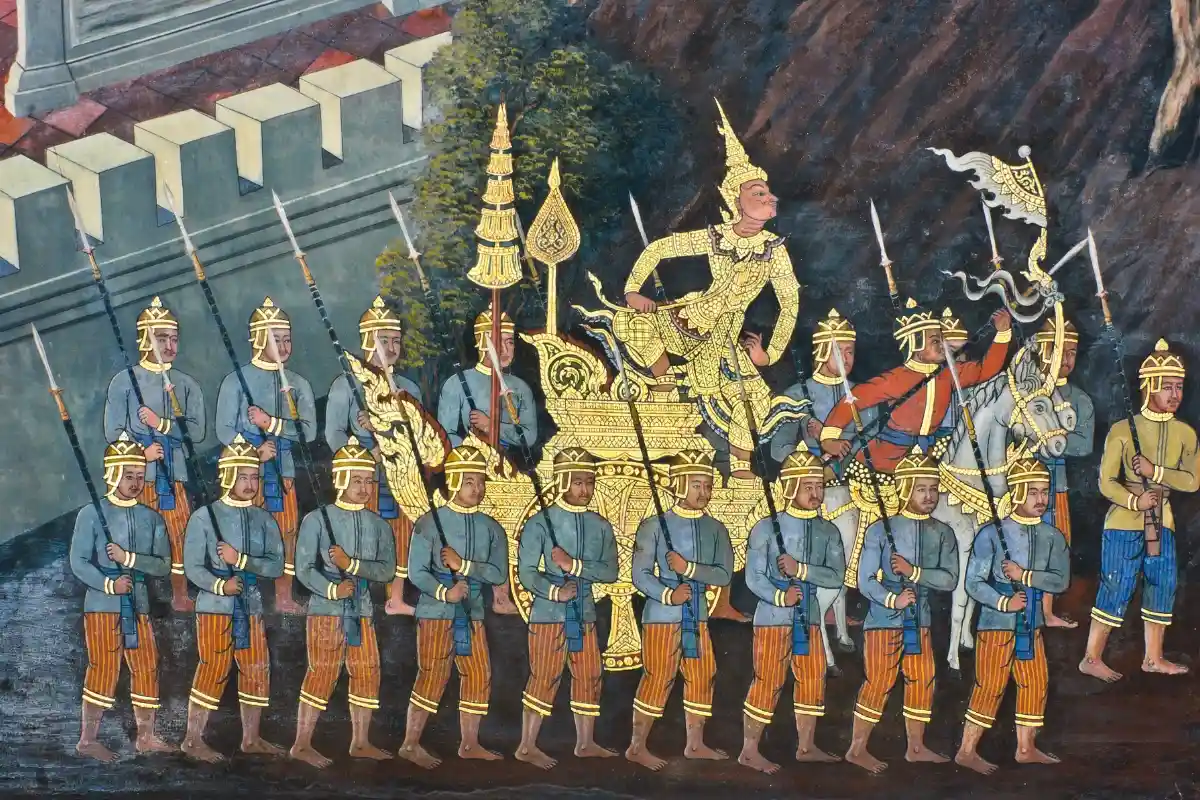
If there is one epic that deeply connects India and Bali, it is the Ramayana. In Bali, the Ramayana is not confined to books or childhood memories—it is alive, performed, and celebrated with unmatched passion. Across the island, Ramayana performances take place regularly, often involving over a hundred artists. The storytelling is powerful, detailed, and visually stunning. Every expression, movement, and costume is carefully designed to convey emotion and meaning.
For Indians, watching the Ramayana in Bali is a deeply emotional experience. The language may differ, but the story remains unchanged. Rama’s righteousness, Sita’s resilience, Hanuman’s devotion, and Ravana’s complexity are portrayed with immense respect. It feels like watching your own heritage through a new artistic lens.
Tanah Lot Temple: Where Faith Meets the Ocean
Among Bali’s most iconic landmarks, Tanah Lot Temple stands out—not just for its beauty, but for its symbolism. Built on a massive rock in the middle of the sea, this Hindu temple seems to float between land and water. While many tourists visit Tanah Lot for photographs and sunsets, the temple holds deep spiritual significance. Dedicated to sea deities, it reflects the Balinese belief in maintaining harmony between humans, nature, and the divine.
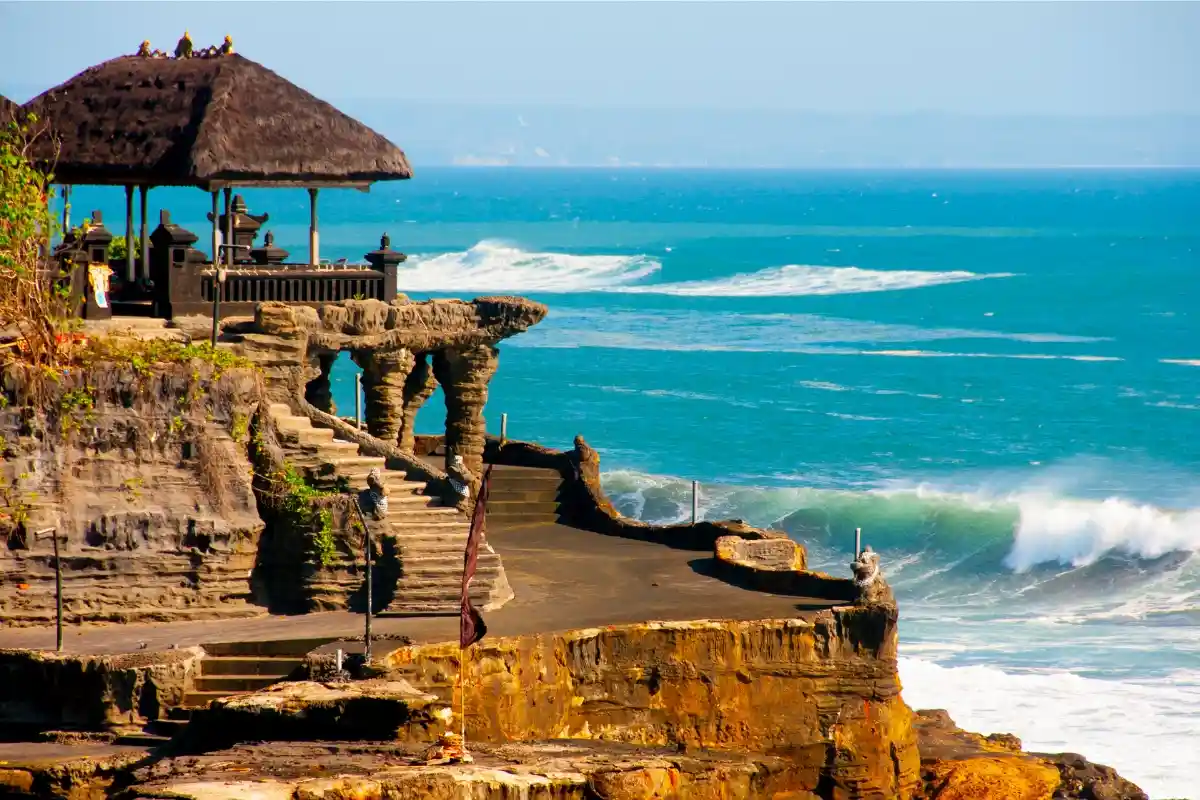
As the sun sets, painting the sky in shades of gold and orange, silence falls over the crowd. Cameras pause. Conversations fade. For a moment, everyone is simply present. For Indian travellers, Tanah Lot feels like a reminder of coastal temples back home—places where faith and nature coexist seamlessly.
Uluwatu Temple: Experience Ramayana under the Stars
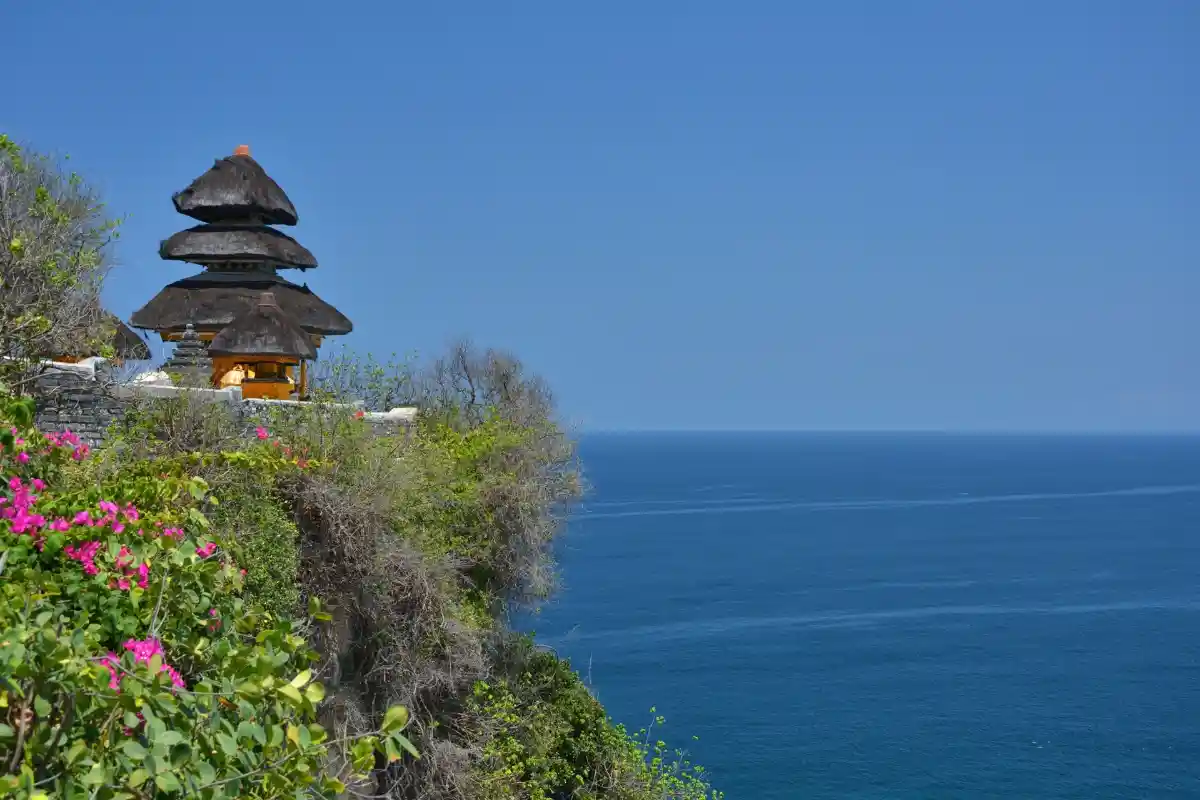
If Tanah Lot feels poetic, Uluwatu Temple feels dramatic. Perched atop towering cliffs overlooking the vast Indian Ocean, Uluwatu is both a sacred space and a cultural stage. As evening approaches, visitors gather for the famous Kecak dance, a performance that narrates episodes from the Ramayana. There are no musical instruments. Instead, dozens of performers sit in a circle, chanting rhythmic sounds that create an intense, hypnotic atmosphere. As the sky darkens and torches light up the stage, the Ramayana unfolds—Rama, Sita, Hanuman, and Ravana brought to life against the backdrop of crashing waves. For Indians, this experience is unforgettable. It’s not just entertainment—its spiritual storytelling elevated to art.
Beyond Temples: Bali’s Natural Beauty
While Bali is deeply spiritual, it is also breathtakingly beautiful. Places like Kintamani offer a completely different side of the island. Bali’s dramatic landscapes are shaped by volcanoes, and none is more iconic than Mount Batur in the Kintamani region. An active volcano surrounded by a vast lake, Mount Batur represents raw natural power balanced by calm beauty. The sunrise trek to Mount Batur is a deeply moving experience. As you climb in the early hours, guided by locals who know every curve of the mountain, the sky slowly shifts from darkness to soft shades of blue and gold. When the sun finally rises, illuminating the lake below and the surrounding valleys, there is a moment of silence among trekkers. For Indians, this moment often feels spiritual. The volcano is not just a geological formation—it feels like a living presence, much like the sacred mountains of the Himalayas or Arunachala.
One of Bali’s most breath-taking sights is its rice terraces, especially in regions like Tegalalang and Jatiluwih. These terraced fields are not only visually stunning but also reflect Bali’s ancient irrigation system known as Subak, a UNESCO-recognized heritage. The terraces cascade down hills like green stairways, changing shades with the seasons—from bright emerald to golden yellow. Water flows gently from one level to another, creating a rhythm that feels almost meditative. For Indian travellers, these fields often evoke memories of rural India—village farms, monsoon-fed lands, and generations of farmers working in harmony with nature. The difference lies in the scale and precision. Bali’s rice terraces feel like living art, shaped patiently over centuries. Walking through these fields early in the morning, with mist floating above the crops and birds calling from afar, is an experience that connects you deeply with the land.
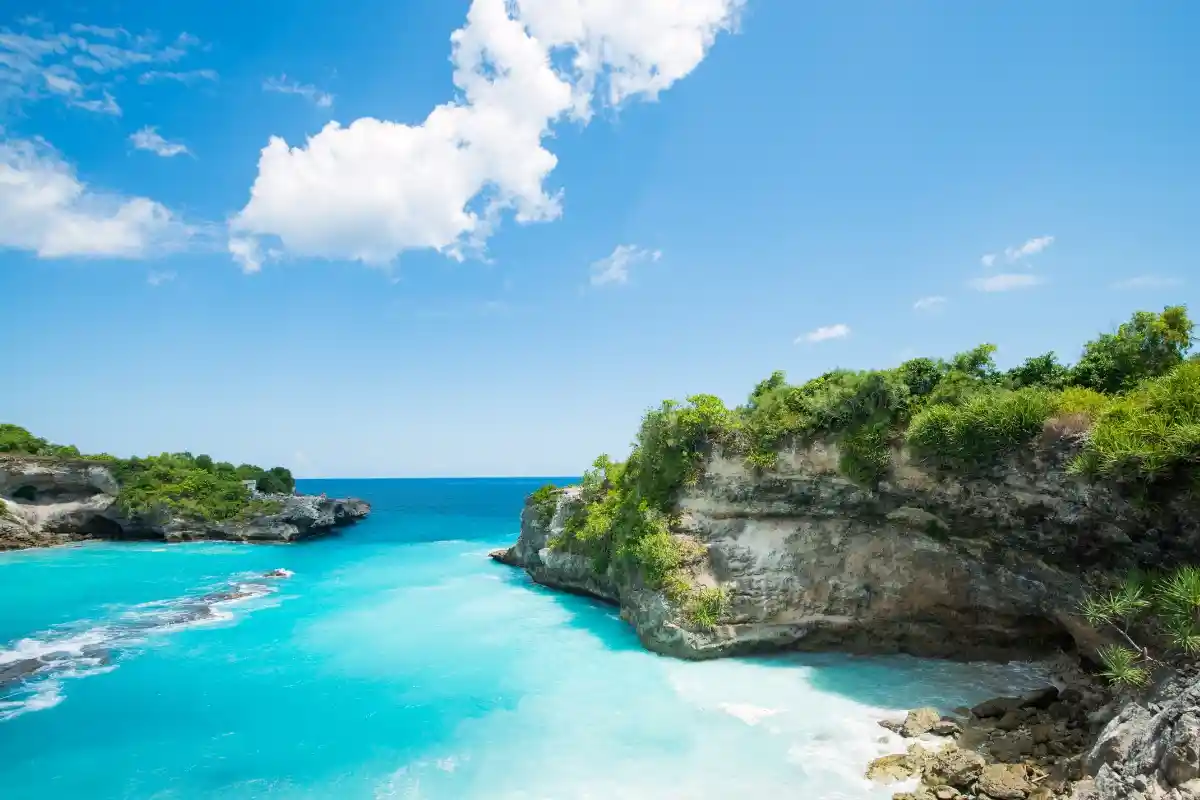
While Bali is globally known for its beaches, the island offers far more variety than just white sand and blue waters. The beaches of Uluwatu and Padang Padang, framed by cliffs and powerful waves, are wild and dramatic. These shores are where nature displays its untamed side. Watching surfers ride towering waves here is like witnessing a dance between human courage and natural force.
Yogyakarta: A Testament to Ancient Hindu Glory
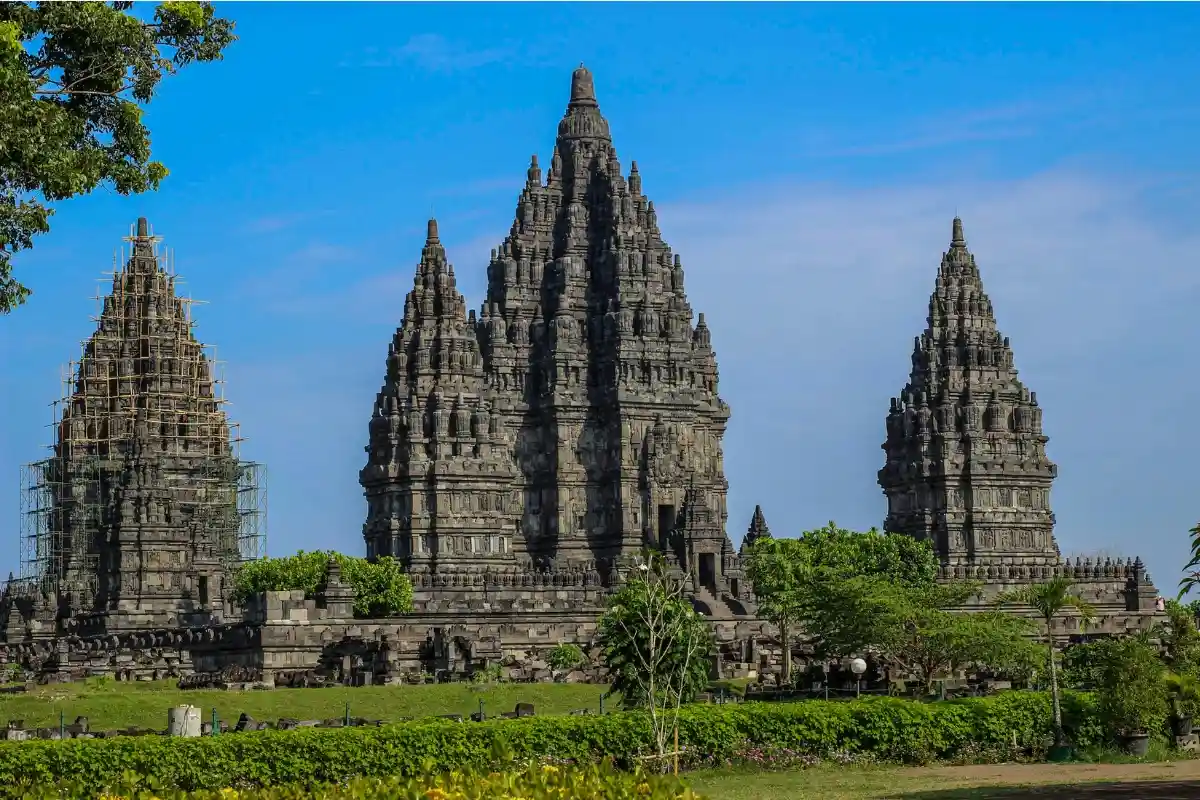
While Bali often takes the spotlight, Yogyakarta on the island of Java deserves special mention—especially for Indian travellers interested in history and heritage. Dedicated to the Trimurti—Brahma, Vishnu, and Shiva—Prambanan stands as proof of Hinduism’s historical influence in Southeast Asia. The temple complex, now a UNESCO World Heritage Site, is carefully preserved by the Indonesian government. What makes it remarkable is the respect shown toward its religious and historical integrity. Walking through Prambanan, Indians often feel a sense of pride. These temples may not be in India, but they tell Indian stories, carry Indian philosophy, and reflect Indian spiritual thought.
Why Bali is the Perfect International Destination for Indians
What makes Bali uniquely appealing to Indians is not just what it offers—but how it makes you feel.
- Cultural familiarity: Hindu rituals, temples, festivals, and epics create an emotional connection.
- Spiritual comfort: You don’t feel disconnected from your beliefs.
- Affordability: Despite being international, Bali can be explored on a reasonable budget.
- Warm hospitality: Balinese people are deeply respectful, gentle, and welcoming.
- Balance: Bali offers spirituality, adventure, relaxation, history, and nature—all in one place.
A Journey That Feels Personal
For Indians, visiting Bali is not just about ticking off another country on the travel list. It is about witnessing how Indian culture travelled across oceans, evolved, and continued to thrive in a different land.
Bali teaches us that culture doesn’t disappear—it adapts, survives, and connects people across centuries. So if you’re an Indian traveller looking to explore the world without feeling lost, Bali welcomes you—not as a tourist, but as family.
If Bali feels like home waiting to be rediscovered, it’s time to experience it for yourself. Let us help you plan a Bali journey that goes beyond sightseeing—one that connects you with its culture, spirituality, and natural beauty. Book your Bali tour and travel packages with us and explore the best of Bali with comfort, care, and local insight.